

Customer loyalty programs are changing the game for businesses. They boost brand loyalty and transform customer relationships. Let’s explore what makes these programs truly effective.
Customer retention is crucial for business success. A well-designed loyalty program can greatly impact your profits. Did you know that 77% of consumers join up to five loyalty programs?
Surprisingly, 93% of members have used their rewards recently. These stats show how important it is to reward customer loyalty.
Loyalty programs have a huge impact. Merkle’s 2024 report shows they influence 84% of consumers’ choices to stick with a brand1. This proves how powerful good loyalty strategies are for keeping customers.
When creating your program, think about age, gender, and nationality. This helps you target customers better2. Tailoring your approach makes the experience more personal and engaging.
Interestingly, 65% of consumers will share personal data for better offers3. This shows people want personalized experiences.
A great loyalty program isn’t just about rewards. It’s about creating a smooth experience across all channels. This keeps customers coming back.
Try integrating multiple channels and offering a loyalty app. This makes it easier for members to access rewards on the go2.
Table of Contents
Key Takeaways
- Most consumers belong to multiple loyalty programs
- Effective programs significantly influence customer retention
- Personalization is key to program success
- Consider demographic factors when designing your program
- Integrate multiple channels for a seamless experience
- Offer easy access to rewards through dedicated apps
To complement your loyalty program, explore our comprehensive guide on “7 Best CRM Strategies: Building Strong Customer Relationships today!“ for a holistic approach to customer relationship management.
Understanding the Importance of Customer Loyalty Programs
Customer loyalty programs help businesses build lasting relationships with their clients. These powerful tools reward repeat customers and boost brand loyalty. Let’s explore what these programs are and why they matter.
Definition of a customer loyalty program
A customer loyalty program is a marketing strategy that encourages repeat business. It rewards customers with perks like discounts, free products, or exclusive services. Companies such as Starbucks, Uber, and Sephora use these programs successfully4.
Impact on customer retention and brand loyalty
Loyalty programs boost customer retention by creating value beyond the initial purchase. Half of loyalty program members would do “almost anything” to earn more rewards5. This dedication leads to increased brand loyalty and repeat business.
Statistical evidence of program effectiveness
The numbers show how effective customer loyalty programs are:
- Over 80% of people prefer surprise deals or gifts to traditional loyalty benefits5.
- Companies invest up to 5% of sales in these programs, showing their importance5.
- Loyalty programs are valuable for high-volume businesses that rely on repeat customers4.
| Program Type | Description | Example |
|---|---|---|
| Points Program | Earn points for purchases | Starbucks Rewards |
| Tier Program | Levels based on spending | Airline frequent flyer programs |
| Paid Program | Fee-based membership | Amazon Prime |
| Value Program | Non-monetary benefits | Exclusive access or services |
Companies can boost customer lifetime value with personalized offers and repeat business systems. These strategies help create long-term loyalty and strengthen customer relationships.
For startups looking to implement both CRM and loyalty programs, check out our article on “5 Top-Rated CRM Tools for Thriving Startups today!“ to find the perfect software solution.
Leveraging Data Insights for Better Customer Understanding

Data-driven loyalty programs are changing how businesses keep customers. They analyze behavior to create personalized offers. Transactional data, behavioral patterns, and demographics form the basis of effective strategies6.
The impact of data on customer loyalty is clear. 77% of consumers join loyalty programs. On average, customers belong to 14 different schemes7.
This widespread adoption allows businesses to gather valuable insights. They can use this information to tailor their offerings effectively.
Successful programs use customer data to improve experiences and boost sales. Offering various services helps gather info about consumer preferences. This data helps build models to identify top customers and prospects.
These models also determine the most effective touch points in the customer lifecycle8.
Personalization: The Key to Customer Loyalty
Personalizing rewards increases the value of loyalty programs. It strengthens emotional connections with customers6. Large retailers like Ulta and Target excel in this area.
They integrate rewards into immersive app environments. These apps offer personalized messages based on purchase behavior and credit card transactions7.
Financial services can use insights to identify customers likely to respond to long-term incentives. Online businesses can use surveys linked to transactions. This helps earn points and gather data about customer preferences8.
| Data Type | Insights Gained | Application in Loyalty Programs |
|---|---|---|
| Transactional | Purchase patterns | Targeted rewards |
| Behavioral | Customer preferences | Personalized experiences |
| Demographic | Customer segmentation | Tailored marketing campaigns |
Data analytics helps create loyalty programs that resonate with customers. It drives engagement and fosters long-term relationships. The key is to analyze, adapt, and refine strategies based on customer data.
Transparency: Making Your Reward Program Stand Out
Transparency builds trust in customer loyalty programs. It shapes how customers view and use these programs. Open communication is key to successful reward systems.
The Value of Openness in Loyalty Programs
Customers value clear rewards more than ever. A 2020 Deloitte report shows 73% of consumers see transparency as vital for brand loyalty9. This trend calls for easy-to-understand program structures and reward systems.
Balancing Customer Choice with Data Collection
Great loyalty programs offer choice while gathering useful data. A 2022 PwC survey found 57% of consumers like programs with cross-brand point exchanges9. This flexibility gives customers more control over their rewards.
Examples of Transparent Loyalty Programs
“Inkbucks” for each purchase is a clear reward system. It uses percentage and dollar-based discount codes. This approach shows clear value and keeps customers engaged.
Diverse actions can boost customer engagement in loyalty programs. Only 18% of customers use all their loyalty programs10. Offering varied ways to earn rewards can increase participation.
Partnering with other companies can improve rewards and awareness. It can also generate leads. This creates benefits for both businesses and customers.
In sum, transparent loyalty programs create valuable experiences. Clear communication, flexible rewards, and diverse earning options build stronger programs. These elements help brands engage customers more effectively.
Modularity: Enhancing Customer Service Through Flexibility
Flexible loyalty programs boost customer engagement. Modular programs let users mix and match components. This creates personalized experiences without high costs.
Modular loyalty programs are popular across industries. U.S. households join about 14 different loyalty programs. These include loyalty cards, credit card points, and airline miles11.
Modularity offers guided options for key program parts. Businesses can create alternatives that appeal to their audience. This improves customer satisfaction and simplifies channel integration.
| Benefits of Modular Loyalty Programs | Impact on Customer Retention |
|---|---|
| Cost-effective personalization | Increased customer engagement |
| Multi-channel integration | Improved customer experience |
| Flexible reward structures | Higher retention rates |
Modular loyalty programs show impressive results. Members of top programs are 77% more likely to choose that brand. 64% of companies see these programs as the best customer connection tool12.
Strong loyalty marketing programs help businesses grow faster. These companies increase revenues 2.5 times quicker than competitors12.
Modularity helps create offers that resonate with customers. This approach improves service and builds long-term loyalty. It also drives business growth over time.
Relationship Management: Quickly Rewarding Loyal Customers
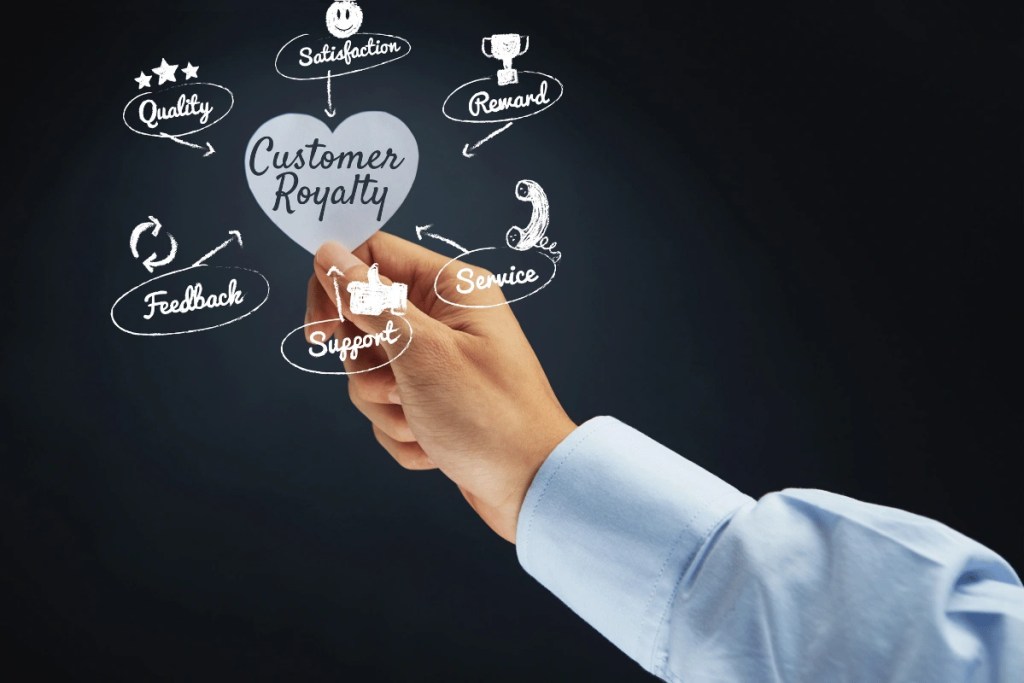
Customer loyalty programs are essential for business success in today’s competitive market. Loyal customers spend 67% more than transient consumers. Let’s explore strategies to boost customer loyalty and relationships.
Real-time Resolution Strategies
Real-time rewards are game-changers in customer loyalty programs. By integrating point-of-sale systems, businesses can offer immediate benefits during transactions. This approach satisfies customers and encourages repeat purchases.
The Importance of Timely Apologies
Swift action is key when mistakes happen. Timely apologies with compensation offers can turn negative experiences positive. Offering bonus points or exclusive discounts can maintain customer satisfaction.
Leveraging Social Media for Customer Engagement
Social media engagement boosts customer loyalty programs. It allows businesses to interact with participants and create communities. Platforms like Facebook and Instagram can announce special promotions.
These platforms help share user-generated content and gather valuable feedback. This approach builds stronger relationships with customers.
| Strategy | Benefits | Examples |
|---|---|---|
| Real-time Rewards | Immediate gratification, increased purchases | Starbucks app rewards |
| Timely Apologies | Customer retention, improved satisfaction | Compensation offers, bonus points |
| Social Media Engagement | Community building, brand loyalty | User-generated content, exclusive promotions |
These strategies create engaging and rewarding customer loyalty programs. 52% of consumers choose brands based on loyalty programs13. This shows the importance of effective relationship management.
While building customer loyalty, it’s crucial to know how to handle challenging situations – learn more in our guide “10 Effective Steps to Handle Difficult Customers“.
Simplicity: Improving the Customer Experience

Simplified loyalty programs are crucial for enhancing customer experiences. A whopping 64% of consumers will pay more for simpler experiences. This shows how important streamlined processes are14.
User-friendly rewards systems are key to successful loyalty programs. By focusing on customer priorities, businesses can provide real value. This approach delights customers and increases value for both parties15.
Clear customer communication is a powerful differentiator in today’s market14. Organizations can simplify experiences by adopting a customer-centric approach. This often leads to improved customer experiences and increased loyalty15.
It can also result in lower costs and faster product development. These benefits make simplification a smart business strategy.
| Benefits of Simplified Loyalty Programs | Impact on Business |
|---|---|
| Enhanced customer experience | Increased customer loyalty |
| Easier access to rewards | Lower operational costs |
| Clearer communication | Faster product development |
| Streamlined processes | Improved employee experience |
In our digital world, the need for simpler experiences is higher than ever14. Brands can boost loyalty by offering clarity and pleasant surprises. This creates a lasting impact in the competitive marketplace.
To gather valuable insights for improving your loyalty program, consider implementing the strategies outlined in our “8 Proven Methods for Customer Feedback Loop“.
Upgrading Customer Status: Creating VIP Experiences

VIP experiences in loyalty programs are true game-changers. They tap into our desire for exclusivity and special treatment. These programs work effectively when implemented correctly.
The Psychology of Exclusive Memberships
People crave feeling special. VIP programs offer unique rewards to a select few. This creates a sense of privilege that keeps customers returning.
A survey found interesting results. 57% of customers are more likely to join programs with VIP status16.
Implementing Tiered Loyalty Programs
Tiered rewards are crucial for successful VIP programs. They offer different benefits based on customer loyalty. This motivates customers to increase engagement for higher tiers.
Successful VIP programs have key elements. These include special treatment, unique events, exclusive experiences, and early product access17.
Case Study: Starbucks Rewards Program
Starbucks Rewards is a great tiered loyalty program. It offers two levels: Green and Gold. Gold members enjoy perks like personalized cards and free drinks.
The program’s success comes from personalization. It offers tangible rewards representing customer dedication to the brand.
Effective VIP programs bring significant business benefits. A 5% increase in loyalty can boost profits by 85%16.
Exclusive perks enhance customer retention. They also help collect valuable data and increase brand advocacy16.
The key to success is making customers feel valued. This can be through early access, exclusive events, or personalized offers. The goal is creating experiences that keep loyal customers returning.
Customer Loyalty Program: Best Practices for Implementation

reward loyalty with loyalty. Loyalty programs are vital for keeping customers. Let’s explore some top tips for setting up a great program.
Loyalty programs have a big impact. Most Gen X and Millennials prefer brands with these programs. This shows how important they are for keeping customers.
When creating your program, set clear goals. Try to increase how often people buy or get more sign-ups. Customers are more likely to join if they like your brand experience.
Make rewards personal based on what customers like. This can make people more interested. Try different types of programs to find what works best.
Implementing a loyalty program involves several stages:
- Design & Discovery
- Strategy and Planning
- Program Development
- Marketing Preparation
- Testing and Optimization
- Program Launch
After starting, keep checking how it’s doing. Plan a big review after a year. Look at how it changes customer behavior and happiness.
Keep improving to keep customers interested. This helps make sure your program works well for a long time.
A good loyalty program can make customers spend more. Many loyal customers will pay more for brands they like. They’ll choose these even when cheaper options exist1819.
Measuring the Success of Your Loyalty Program
customer retention management. A strong loyalty program can boost your business significantly. Let’s explore key metrics to gauge its effectiveness. We’ll dive into loyalty metrics and data-driven strategies.
Key Performance Indicators to Track
customer retention management. Focus on crucial KPIs to measure your loyalty program’s impact. The enrollment rate shows how attractive your program is. A high engagement rate indicates strong customer interest.
The repeat purchase rate reflects program effectiveness. Ideally, it should be between 20-40%2021. Track average spend per member and customer lifetime value.
Customer retention is vital. A higher rate signals better loyalty. The redemption rate reveals how appealing your rewards are. Monitor incremental margin to assess profitability20.
Tools for Analyzing Program Effectiveness
customer retention management. Use various tools to gain insights into your loyalty program. Google Analytics tracks online customer behavior. Social listening platforms help understand customer sentiment.
Customer feedback surveys provide direct input from your members. These tools offer a comprehensive view of your program’s performance.
Adjusting Strategies Based on Data Insights
customer retention management. Regular analysis is key to maintaining an effective loyalty program. Review daily metrics to detect potential fraud. Segment your customer base weekly or monthly22.
Consider enhancing your point system if customers adjust spending to maximize points. This can result in a 5-10% revenue increase21.
Excellent support is crucial in your loyalty strategy. Most customers forgive mistakes if they receive top-notch service22.
Enhance your loyalty program’s reach by integrating it with your social media strategy – explore our “9 Essential Steps for social media customer support Strategy“ for expert tips.
back to top | Latest blogs | Home | Web Application
FAQ
What is a customer loyalty program?
A customer loyalty program rewards repeat purchases with incentives. These can include free products, exclusive access, or point systems. The goal is to boost repeat business and build brand loyalty.
Why are customer loyalty programs important for businesses?
Loyalty programs can boost customer retention and purchase frequency. They help businesses connect with customers and influence their buying decisions. These programs can also increase average order value.
How can businesses leverage data insights from loyalty programs?
Businesses can gather valuable insights about consumer preferences through service menus. This data helps identify top customers and determine effective touch cadence. It also aids in creating statistical models for targeted marketing.
What makes a loyalty program transparent and appealing to customers?
Customers value openness and compatibility in loyalty programs. Transferable points and awards enhance transparency. Balancing customer choice with data collection can improve loyalty.
How can modularity enhance customer service in loyalty programs?
Modular programs let customers mix components based on their preferences. This allows for cost-effective personalization. It also helps operate programs effectively across different channels.
What strategies can improve relationship management in loyalty programs?
Real-time resolutions and timely apologies with compensation offers can improve customer interactions. Social media engagement also strengthens relationships with loyalty program participants.
Why is simplicity important in customer loyalty programs?
Simple reward offerings can boost customer trust and program engagement. Companies should focus on delivering reliable rewards consistently. This approach helps avoid damaging the brand’s reputation.
How can upgrading customer status benefit loyalty programs?
Creating an elite club or VIP program can significantly boost loyalty. Specific qualification criteria make customers feel special. It gives them a sense of belonging to something exclusive.
What are some best practices for implementing a successful loyalty program?
Adopt a multi-channel customer service system and provide exceptional service. Maintain consistency and focus on the customer. Build credibility through interactions and deliver added value.
Share positive customer experiences and reward loyalty. These practices help create a successful loyalty program.
How can businesses measure the success of their loyalty program?
Track key performance indicators like customer retention rates and purchase frequency. Monitor average order value, redemption rates, and ROI. Use tools like Google Analytics and social listening platforms.
Customer feedback surveys can provide valuable insights. Regularly adjust strategies based on data insights for best results.
Source Links
- The Beginner’s Guide to Building a Customer Loyalty Program – https://blog.hubspot.com/service/customer-loyalty-program
- 37 Loyalty Program Best Practices for the Perfect Concept – https://antavo.com/blog/loyalty-program-best-practices/
- 6 Loyalty Program Best Practices for Enterprise Businesses | Persado – https://www.persado.com/articles/loyalty-program-best-practices/
- Loyalty Program: Definition, Purpose, How It Works, and Example – https://www.investopedia.com/terms/l/loyalty-program.asp
- KPMG BrandVoice: Why Customer Loyalty Programs Are So Important – https://www.forbes.com/sites/kpmg/2017/09/13/why-customer-loyalty-programs-are-so-important/
- How can you leverage data to improve your customer loyalty program? – https://www.linkedin.com/advice/0/how-can-you-leverage-data-improve-your-customer-hy0re
- Are You Leveraging Your Customer Loyalty Data? – Hartford Courant Media Group – https://www.hartfordcourantmediagroup.com/blog/are-you-leveraging-your-customer-loyalty-data/
- Boost customer loyalty and retention with data analytics: Strategies and examples – https://paylode.com/articles/data-analytics-customer-loyalty-retention
- Loyalty programs are evolving and we need more transparency – https://medium.com/@nilesh_26480/the-evolution-of-loyalty-programs-and-the-need-for-transparency-86e1ce686758
- How to Build Customer Loyalty Programs That Stand Out | Smith.ai – https://smith.ai/blog/how-to-build-customer-loyalty-programs-that-stand-out
- Loyalty Program Strategy: 5 Best Practices to align with your Business Strategy – https://www.ttec.com/articles/loyalty-program-strategy-5-best-practices-align-your-business-strategy
- Loyalty Program Strategy: 6 Top tips to Align with Business Goals – https://saufter.io/loyalty-program-strategy-best-practices/
- Why customer loyalty is vital to relationship marketing | Cardlytics – https://www.cardlytics.com/blog/why-customer-loyalty-is-vital-to-relationship-marketing
- Simplicity: The key to great customer experience – https://www.siegelgale.com/simplicity-key-great-customer-experience/
- Simplicity-Minded Customer Experience – https://www.mcorpcx.com/resource-center/articles/simplicity-inded-customer-experience
- Understanding VIP Loyalty Programs: Benefits and Implementation – https://www.growave.io/blog/vip-loyalty-programs
- VIP Program: How to Create Irresistible Loyalty Experiences – https://antavo.com/blog/vip-program/
- Loyalty program implementation: a step-by-step guide – https://www.openloyalty.io/insider/loyalty-program-implementation-a-step-by-step-guide
- Typical Implementation Timeline For A Loyalty Program & Best Practices – https://blog.brandmovers.com/loyalty-program-implementation-timeline-and-best-practices
- 8 Metrics to Track the Success of Your Loyalty Program – https://www.mailmodo.com/guides/measure-loyalty-program-success/
- How to Measure a Customer Loyalty Programme’s Success – https://www.epsilon.com/emea/insights/blog/how-to-measure-a-customer-loyalty-programmes-success
- Loyalty program metrics: Measuring the health of your loyalty program – https://www.openloyalty.io/insider/loyalty-program-metrics-measuring-the-health-of-your-loyalty-program


